

Cisco-opplæring

Insoft Services er en av få opplæringsleverandører i EMEAR som tilbyr hele spekteret av Cisco-sertifisering og spesialisert teknologiopplæring.

Les mer

Cisco Sertifisering

Opplev en blandet læringstilnærming som kombinerer det beste av instruktørledet opplæring og e-læring i eget tempo for å hjelpe deg med å forberede deg til sertifiseringseksamen.

Les mer

Cisco Learning Credits

Cisco Learning Credits (CLC) er forhåndsbetalte opplæringskuponger innløst direkte med Cisco som gjør planleggingen for suksessen din enklere når du kjøper Cisco-produkter og -tjenester.

Les mer

Etterutdanning

Cisco Continuing Education Program tilbyr alle aktive sertifiseringsinnehavere fleksible alternativer for å resertifisere ved å fullføre en rekke kvalifiserte opplæringselementer.

Les mer

Cisco Digital Learning

Sertifiserte ansatte er verdsatte eiendeler. Utforsk Ciscos offisielle digitale læringsbibliotek for å utdanne deg gjennom innspilte økter.

Les mer

Cisco Business Enablement

Cisco Business Enablement Partner Program fokuserer på å skjerpe forretningsferdighetene til Cisco Channel Partners og kunder.

Les mer

Cisco opplæringskatalog

Les mer

Fortinet Sertifisering

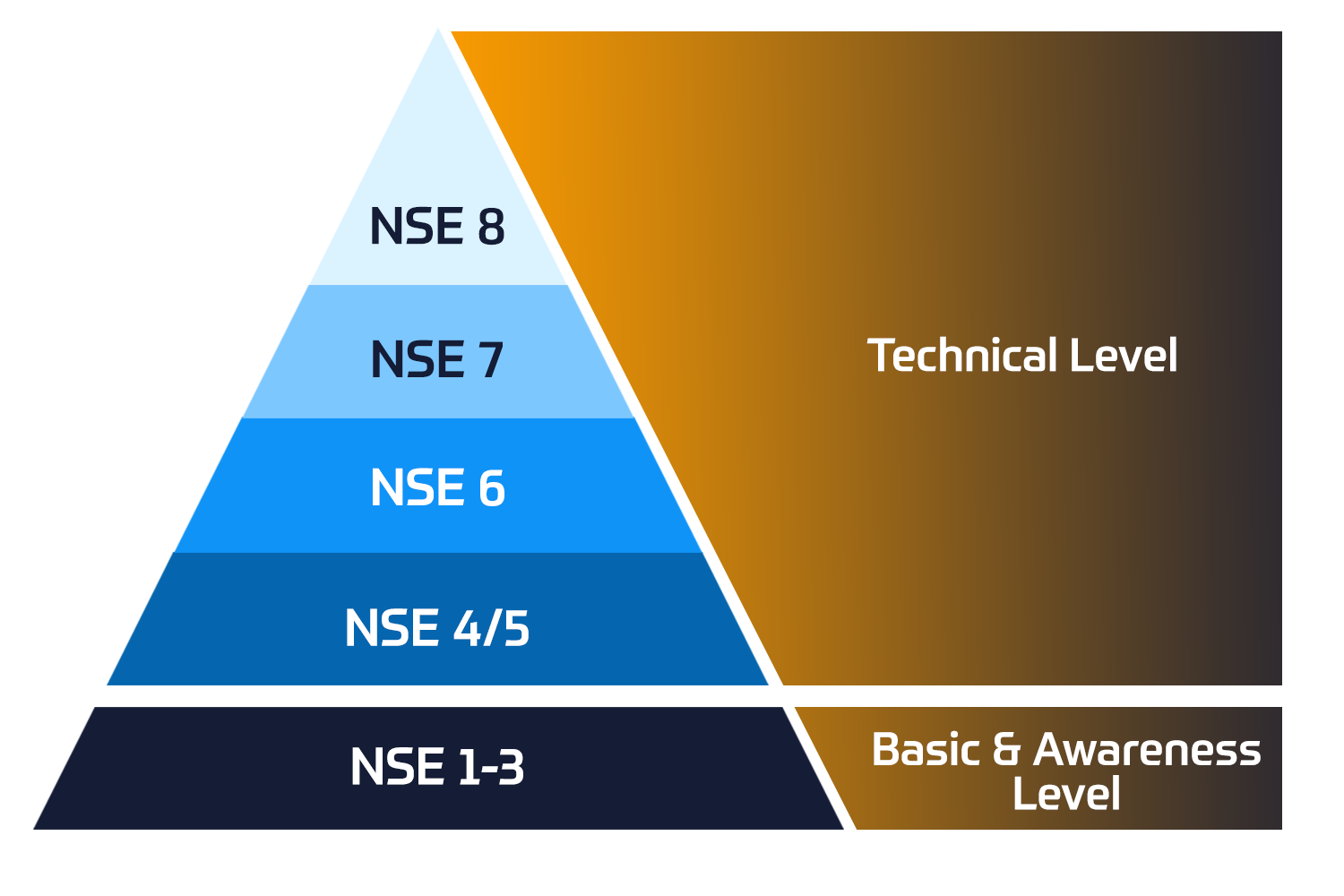
Fortinet Network Security Expert (NSE)-programmet er et opplærings- og sertifiseringsprogram på åtte nivåer for å lære ingeniører om nettverkssikkerheten for Fortinet FW-ferdigheter og -erfaring.

Tekniske kurs


Fortinet-opplæring

Insoft er anerkjent som Fortinet Autorisert Opplæringssenter på utvalgte steder i EMEA.

Les mer

Fortinet opplæringskatalog

Utforsk et bredt utvalg av Fortinet Schedule på tvers av forskjellige land så vel som online kurs.

Les mer

ATC-status

Sjekk atc-statusen vår på tvers av utvalgte land i Europa.

Les mer

Pakker for Fortinet-tjenester

Insoft Services har utviklet en spesifikk løsning for å effektivisere og forenkle prosessen med å installere eller migrere til Fortinet-produkter.

Les mer

AWS-opplæring

Opplæringen inkluderer laboratorier i eget tempo for praktisk AWS-praksis i virkelige scenarier, slik at du kan lære i ditt eget tempo, i klassen, på jobben eller online.

Tekniske kurs

Extreme-opplæring

Lær eksepsjonell kunnskap og ferdigheter i ekstreme nettverk.

Les mer

Teknisk sertifisering

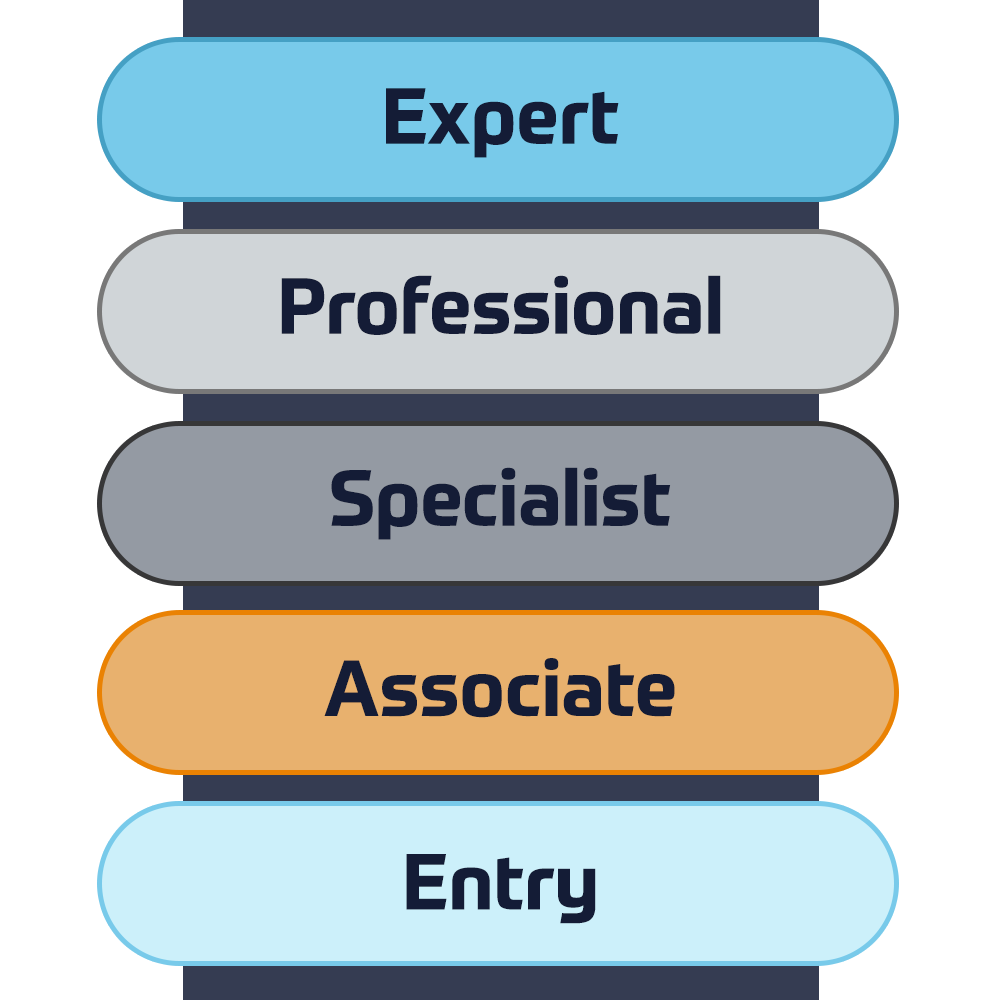
Vi tilbyr omfattende læreplan over tekniske kompetanseferdigheter om sertifiseringsprestasjonen.

Les mer

Extreme opplæringskatalog

Tekniske kurs

ATP-akkreditering

Som autorisert opplæringspartner (ATP) sørger Insoft Services for at du får de høyeste utdanningsstandardene som er tilgjengelige.

Les mer

Løsninger og tjenester

Vi tilbyr innovativ og avansert støtte for design, implementering og optimalisering av IT-løsninger. Vår kundebase inkluderer noen av de største Telcos globalt.

Les mer

Globalt anerkjent team av sertifiserte eksperter hjelper deg med å gjøre en jevnere overgang med våre forhåndsdefinerte konsulent-, installasjons- og migrasjonspakker for et bredt spekter av Fortinet-produkter.


Om oss

Insoft Tilbyr autoriserte opplærings- og konsulenttjenester for utvalgte IP-leverandører. Finn ut hvordan vi revolusjonerer bransjen.

Les mer


  • +47 23 96 21 03
  • Planning and Designing Databases on AWS

    Duration
    3 Dager
    Delivery
    (Online Og På stedet)
    Price
    Pris på forespørsel

    In this course, you will learn about planning and designing your solutions with purpose-built Amazon Web Services (AWS) Cloud databases. The course introduces you to the features and characteristics of each of these databases and shares the design considerations that you should make while using them. By taking this course, you can develop the analytical skills needed to choose the right AWS database for your unique needs. By the end of the course, you will be able to analyze a business use case, analyze the workload, and assess application requirements to identify and design the most suitable AWS database solution to support your organizational needs.


    • Course level: Intermediate

    In this course, you will learn how to do the following:

    • Summarize the AWS Well-Architected Framework for designing database solutions.
    • Choose an appropriate purpose-built database service for a given workload.
    • Design a relational database solution to solve a business problem.
    • Design a NoSQL database solution to solve a business problem.
    • Analyze data from multiple databases to solve a business problem.
    • Discuss the security considerations for your database solution.

    Day 1


    Module 0: Course Introduction

    • Course overview

    Module 1: AWS Purpose-Built Databases

    • Discussing well-architected databases
    • Analyzing workload requirements
    • Choosing the data model
    • Choosing the right purpose-built database
    • Knowledge check

    Module 2: Amazon Relational Database Service (Amazon RDS)

    • Discussing a relational database
    • What is Amazon RDS?
    • Why Amazon RDS?
    • Amazon RDS design considerations
    • Knowledge check

    Module 3: Amazon Aurora

    • What is Amazon Aurora?
    • Why Amazon Aurora?
    • Aurora design considerations
    • Knowledge check

    Challenge Lab 1: Working with Amazon Aurora databases


    Day 2


    Class Activity 1: Choose the Right Relational Database

    Module 4: Amazon DynamoDB

    • Discussing a key value database
    • What is DynamoDB?
    • Why DynamoDB?
    • DynamoDB design considerations
    • Knowledge check

    Module 5: Amazon Keyspaces (for Apache Cassandra)

    • Discussing a wide-column database
    • What is Apache Cassandra?
    • What is Amazon Keyspaces?
    • Why Amazon Keyspaces?
    • Amazon Keyspaces design considerations
    • Knowledge check

    Module 6: Amazon DocumentDB (with MongoDB compatibility)

    • Discussing a document database
    • What is Amazon DocumentDB?
    • Why Amazon DocumentDB?
    • Amazon DocumentDB design considerations
    • Knowledge check

    Module 7: Amazon Quantum Ledger Database (Amazon QLDB)

    • Discussing a ledger database
    • What is Amazon QLDB?
    • Why Amazon QLDB?
    • Amazon QLDB design considerations
    • Knowledge check

    Class Activity 2: Choose the Right Nonrelational Database

    Challenge Lab 2: Working with Amazon DynamoDB Tables


    Day 3


    Module 8: Amazon Neptune

    • Discussing a graph database
    • What is Amazon Neptune?
    • Why Amazon Neptune?
    • Amazon Neptune design considerations
    • Knowledge check

    Module 9: Amazon Timestream

    • Discussing a timeseries database
    • What is Amazon Timestream?
    • Why Amazon Timestream?
    • Amazon Timestream design considerations
    • Knowledge check

    Module 10: Amazon ElastiCache

    • Discussing an in-memory database
    • What is ElastiCache?
    • Why ElastiCache?
    • ElastiCache design considerations
    • Knowledge check

    Module 11: Amazon MemoryDB for Redis

    • What is Amazon MemoryDB (for Redis)?
    • Why Amazon MemoryDB?
    • Amazon MemoryDB design considerations
    • Knowledge check

    Class Activity 3: Let’s Cache In

    Module 12: Amazon Redshift

    • Discussing a data warehouse
    • What is Amazon Redshift?
    • Why Amazon Redshift?
    • Amazon Redshift design considerations
    • Knowledge check

    Module 13: Tools for Working with AWS Databases

    • Data access and analysis with Amazon Athena
    • Data migration with SCT and DMS

    Class Activity 4: Overall Picture

    Challenge Lab 3: Working with Amazon Redshift clusters

    This course is intended for learners in the following roles:

    • Solutions architects
    • Database architects
    • Developers

    We recommend the following prerequisites for attendees of this course:

    • Familiarity with AWS database services
    • Understanding of database design concepts and/or data modeling for relational or nonrelational databases
    • Familiarity with cloud computing concepts
    • Familiarity with general networking and encryption concepts
    • Completion of the digital course Introduction to Building with AWS Databases

    In this course, you will learn about planning and designing your solutions with purpose-built Amazon Web Services (AWS) Cloud databases. The course introduces you to the features and characteristics of each of these databases and shares the design considerations that you should make while using them. By taking this course, you can develop the analytical skills needed to choose the right AWS database for your unique needs. By the end of the course, you will be able to analyze a business use case, analyze the workload, and assess application requirements to identify and design the most suitable AWS database solution to support your organizational needs.


    • Course level: Intermediate

    In this course, you will learn how to do the following:

    • Summarize the AWS Well-Architected Framework for designing database solutions.
    • Choose an appropriate purpose-built database service for a given workload.
    • Design a relational database solution to solve a business problem.
    • Design a NoSQL database solution to solve a business problem.
    • Analyze data from multiple databases to solve a business problem.
    • Discuss the security considerations for your database solution.

    Day 1


    Module 0: Course Introduction

    • Course overview

    Module 1: AWS Purpose-Built Databases

    • Discussing well-architected databases
    • Analyzing workload requirements
    • Choosing the data model
    • Choosing the right purpose-built database
    • Knowledge check

    Module 2: Amazon Relational Database Service (Amazon RDS)

    • Discussing a relational database
    • What is Amazon RDS?
    • Why Amazon RDS?
    • Amazon RDS design considerations
    • Knowledge check

    Module 3: Amazon Aurora

    • What is Amazon Aurora?
    • Why Amazon Aurora?
    • Aurora design considerations
    • Knowledge check

    Challenge Lab 1: Working with Amazon Aurora databases


    Day 2


    Class Activity 1: Choose the Right Relational Database

    Module 4: Amazon DynamoDB

    • Discussing a key value database
    • What is DynamoDB?
    • Why DynamoDB?
    • DynamoDB design considerations
    • Knowledge check

    Module 5: Amazon Keyspaces (for Apache Cassandra)

    • Discussing a wide-column database
    • What is Apache Cassandra?
    • What is Amazon Keyspaces?
    • Why Amazon Keyspaces?
    • Amazon Keyspaces design considerations
    • Knowledge check

    Module 6: Amazon DocumentDB (with MongoDB compatibility)

    • Discussing a document database
    • What is Amazon DocumentDB?
    • Why Amazon DocumentDB?
    • Amazon DocumentDB design considerations
    • Knowledge check

    Module 7: Amazon Quantum Ledger Database (Amazon QLDB)

    • Discussing a ledger database
    • What is Amazon QLDB?
    • Why Amazon QLDB?
    • Amazon QLDB design considerations
    • Knowledge check

    Class Activity 2: Choose the Right Nonrelational Database

    Challenge Lab 2: Working with Amazon DynamoDB Tables


    Day 3


    Module 8: Amazon Neptune

    • Discussing a graph database
    • What is Amazon Neptune?
    • Why Amazon Neptune?
    • Amazon Neptune design considerations
    • Knowledge check

    Module 9: Amazon Timestream

    • Discussing a timeseries database
    • What is Amazon Timestream?
    • Why Amazon Timestream?
    • Amazon Timestream design considerations
    • Knowledge check

    Module 10: Amazon ElastiCache

    • Discussing an in-memory database
    • What is ElastiCache?
    • Why ElastiCache?
    • ElastiCache design considerations
    • Knowledge check

    Module 11: Amazon MemoryDB for Redis

    • What is Amazon MemoryDB (for Redis)?
    • Why Amazon MemoryDB?
    • Amazon MemoryDB design considerations
    • Knowledge check

    Class Activity 3: Let’s Cache In

    Module 12: Amazon Redshift

    • Discussing a data warehouse
    • What is Amazon Redshift?
    • Why Amazon Redshift?
    • Amazon Redshift design considerations
    • Knowledge check

    Module 13: Tools for Working with AWS Databases

    • Data access and analysis with Amazon Athena
    • Data migration with SCT and DMS

    Class Activity 4: Overall Picture

    Challenge Lab 3: Working with Amazon Redshift clusters

    This course is intended for learners in the following roles:

    • Solutions architects
    • Database architects
    • Developers

    We recommend the following prerequisites for attendees of this course:

    • Familiarity with AWS database services
    • Understanding of database design concepts and/or data modeling for relational or nonrelational databases
    • Familiarity with cloud computing concepts
    • Familiarity with general networking and encryption concepts
    • Completion of the digital course Introduction to Building with AWS Databases
      Datoer
    • ` 29 Dec - 31 Dec, 2025
    • ` 26 Jan - 28 Jan, 2026
    • ` 23 Feb - 25 Feb, 2026
    • ` 23 Mar - 25 Mar, 2026
    • ` 20 Apr - 22 Apr, 2026
    • ` 18 May - 20 May, 2026

    Follow Up Courses

    Filtrer
    • 2 Dager
      Date on Request
      Price on Request
      Book Now
    • 3 Dager
      Date on Request
      Price on Request
      Book Now
    • 3 Dager
      Date on Request
      Price on Request
      Book Now
    • 3 Dager
      Date on Request
      Price on Request
      Book Now
    • 3 Dager
      Date on Request
      Price on Request
      Book Now
    • 3 Dager
      Date on Request
      Price on Request
      Book Now
    • 1 Dag
      Date on Request
      Price on Request
      Book Now
    • 2 Dager
      Date on Request
      Price on Request
      Book Now
    • 3 Dager
      Date on Request
      Price on Request
      Book Now
    • 1 Dag
      Date on Request
      Price on Request
      Book Now

    Know someone who´d be interested in this course?
    Let them know...

    Use the hashtag #InsoftLearning to talk about this course and find students like you on social media.