

 United Kingdom
 Germany
 Denmark
 Norway
 Sweden
 Italy
Italy Finland

Cisco-training
Insoft Services is een van de weinige aanbieders van opleidingen in EMEAR tot een volledige reeks van Cisco-certificering en gespecialiseerde technische opleiding aan te bieden.
Lees meer
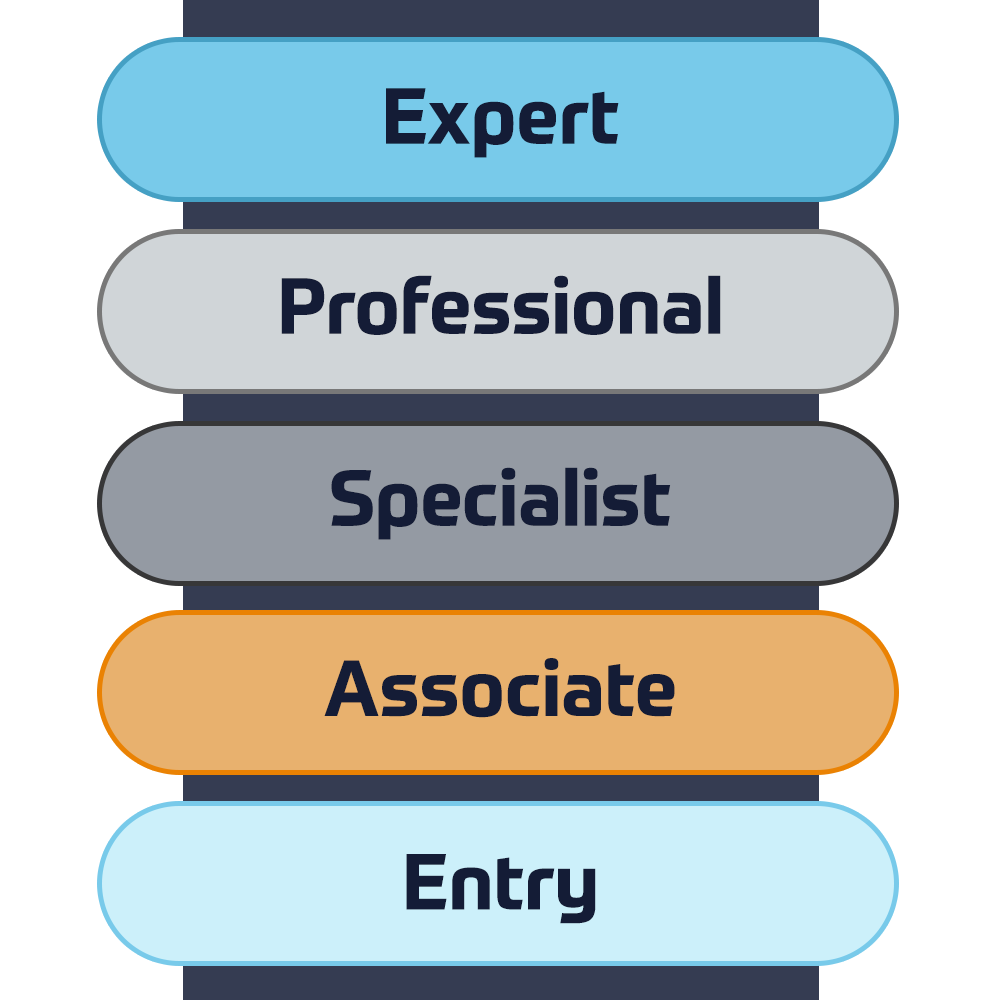
Cisco-certificering
Ervaar een blended learning-aanpak die het beste van door een instructeur geleide training en e-learning in eigen tempo combineert om u te helpen zich voor te bereiden op uw certificeringsexamen.
Lees meer

Cisco Learning Credits
Cisco Learning Credits (CLCs) zijn prepaid trainingsvouchers die rechtstreeks bij Cisco worden ingewisseld en die het plannen van uw succes eenvoudiger maken bij de aankoop van Cisco-producten en -services.
Lees meer

Cisco Continuing Education
Het Cisco Continuing Education Program biedt alle actieve certificeringshouders flexibele opties om opnieuw te certificeren door een verscheidenheid aan in aanmerking komende trainingsitems te voltooien.
Lees meer

Cisco Digital Learning
Gecertificeerde medewerkers zijn GEWAARDEERDE activa. Verken de officiële Digital Learning Library van Cisco om uzelf te informeren via opgenomen sessies.
Lees meer

Cisco Business Enablement
Het Cisco Business Enablement Partner Program richt zich op het aanscherpen van de zakelijke vaardigheden van Cisco Channel Partners en klanten.
Lees meer

Cisco trainingscatalogus
Het Cisco Business Enablement Partner Program richt zich op het aanscherpen van de zakelijke vaardigheden van Cisco Channel Partners en klanten.
Lees meer
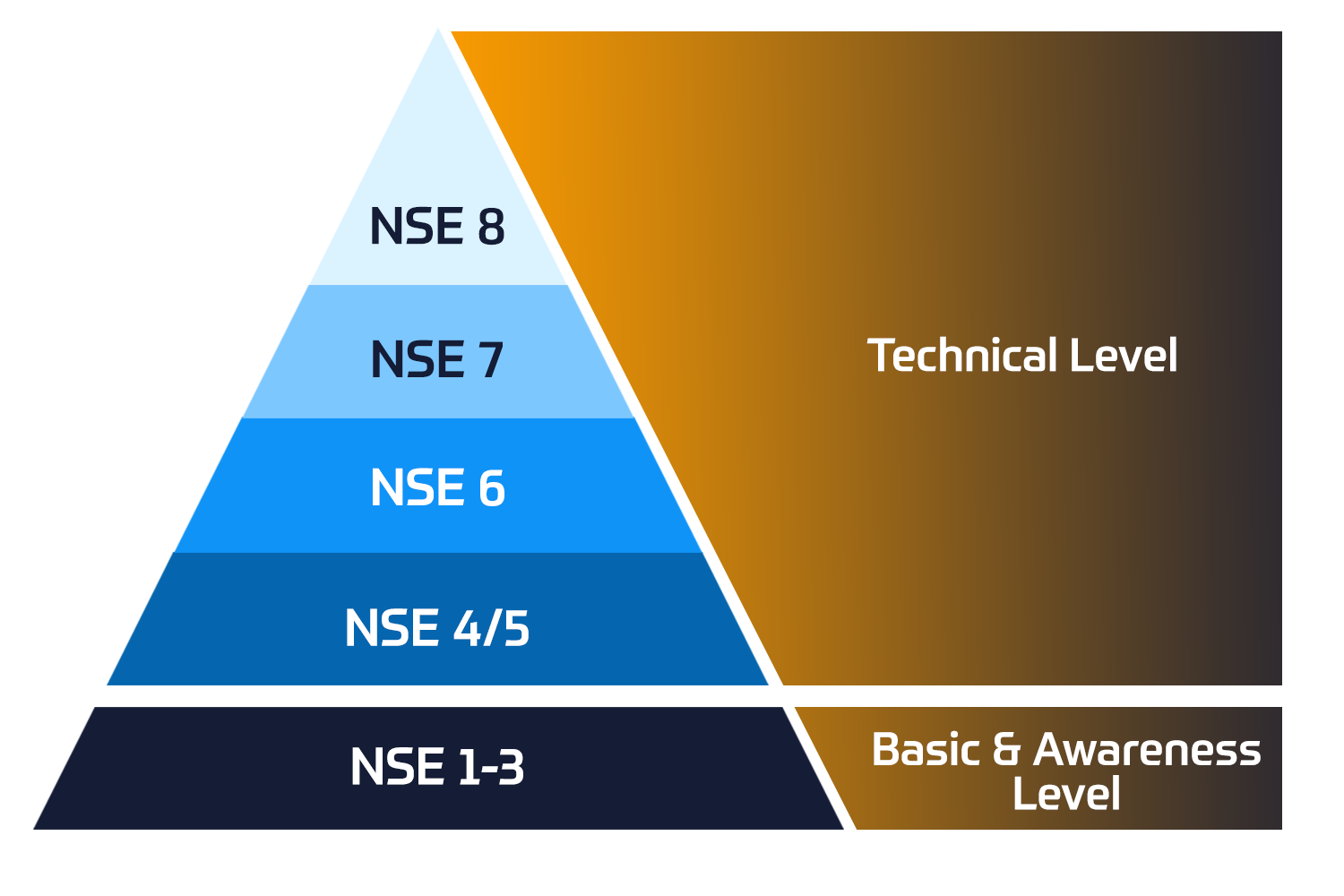
Fortinet-certificering
Het Fortinet Network Security Expert (NSE) -programma is een training- en certificeringsprogramma op acht niveaus om ingenieurs van hun netwerkbeveiliging te leren voor Fortinet FW-vaardigheden en -ervaring.
Technische trainingen

Fortinet-training
Insoft is erkend als Fortinet Authorized Training Center op geselecteerde locaties in EMEA.
Lees meer

Fortinet trainingscatalogus
Bekijk de volledige Fortinet trainingscatalogus. Het programma omvat een breed scala aan cursussen in eigen tempo en onder leiding van een instructeur.
Lees meer

Fortinet Professionele Services
Wereldwijd erkend team van gecertificeerde experts helpt u een soepelere overgang te maken met onze vooraf gedefinieerde consultancy-, installatie- en migratiepakketten voor een breed scala aan Fortinet-producten.
Lees meer

Microsoft-training
Insoft Services biedt Microsoft-trainingen in EMEAR. We bieden technische trainingen en certificeringscursussen van Microsoft aan die worden geleid door instructeurs van wereldklasse.
Technische cursussen

Extreme-training
Find all the Extreme Networks online and instructor led class room based calendar here.
Technische cursussen

Technische-certificering
We provide comprehensive curriculum of technical competency skills on the certification accomplishment.
Lees meer

Extreme trainingscatalogus
Leer uitzonderlijke kennis en vaardigheden van Extreme Networks
Lees meer

ATP accreditatie
Als geautoriseerde trainingspartner (ATP) zorgt Insoft Services ervoor dat u de hoogste onderwijsnormen krijgt die beschikbaar zijn.
Lees meer

Services Oplossingen
Wij bieden innovatieve en geavanceerde ondersteuning bij het ontwerpen, implementeren en optimaliseren van IT-oplossingen.Ons klantenbestand omvat enkele van de grootste Telco's ter wereld.
Oplossingen
Wereldwijd erkend team van gecertificeerde experts helpt u een soepelere overgang te maken met onze vooraf gedefinieerde consultancy-, installatie- en migratiepakketten voor een breed scala aan Fortinet-producten.








Over ons
Insoft biedt geautoriseerde trainings- en consultancydiensten voor geselecteerde IP-leveranciers. Ontdek hoe we een revolutie teweegbrengen in de industrie.
Lees meer
Planning and Designing Databases on AWS
 Duration
3 Dagen
 Delivery
 (Online and onsite)
 Price
Price Price Upon Request
In this course, you will learn about planning and designing your solutions with purpose-built Amazon Web Services (AWS) Cloud databases. The course introduces you to the features and characteristics of each of these databases and shares the design considerations that you should make while using them. By taking this course, you can develop the analytical skills needed to choose the right AWS database for your unique needs. By the end of the course, you will be able to analyze a business use case, analyze the workload, and assess application requirements to identify and design the most suitable AWS database solution to support your organizational needs.
- Course level: Intermediate
In this course, you will learn how to do the following:
- Summarize the AWS Well-Architected Framework for designing database solutions.
- Choose an appropriate purpose-built database service for a given workload.
- Design a relational database solution to solve a business problem.
- Design a NoSQL database solution to solve a business problem.
- Analyze data from multiple databases to solve a business problem.
- Discuss the security considerations for your database solution.
Day 1
Module 0: Course Introduction
- Course overview
Module 1: AWS Purpose-Built Databases
- Discussing well-architected databases
- Analyzing workload requirements
- Choosing the data model
- Choosing the right purpose-built database
- Knowledge check
Module 2: Amazon Relational Database Service (Amazon RDS)
- Discussing a relational database
- What is Amazon RDS?
- Why Amazon RDS?
- Amazon RDS design considerations
- Knowledge check
Module 3: Amazon Aurora
- What is Amazon Aurora?
- Why Amazon Aurora?
- Aurora design considerations
- Knowledge check
Challenge Lab 1: Working with Amazon Aurora databases
Day 2
Class Activity 1: Choose the Right Relational Database
Module 4: Amazon DynamoDB
- Discussing a key value database
- What is DynamoDB?
- Why DynamoDB?
- DynamoDB design considerations
- Knowledge check
Module 5: Amazon Keyspaces (for Apache Cassandra)
- Discussing a wide-column database
- What is Apache Cassandra?
- What is Amazon Keyspaces?
- Why Amazon Keyspaces?
- Amazon Keyspaces design considerations
- Knowledge check
Module 6: Amazon DocumentDB (with MongoDB compatibility)
- Discussing a document database
- What is Amazon DocumentDB?
- Why Amazon DocumentDB?
- Amazon DocumentDB design considerations
- Knowledge check
Module 7: Amazon Quantum Ledger Database (Amazon QLDB)
- Discussing a ledger database
- What is Amazon QLDB?
- Why Amazon QLDB?
- Amazon QLDB design considerations
- Knowledge check
Class Activity 2: Choose the Right Nonrelational Database
Challenge Lab 2: Working with Amazon DynamoDB Tables
Day 3
Module 8: Amazon Neptune
- Discussing a graph database
- What is Amazon Neptune?
- Why Amazon Neptune?
- Amazon Neptune design considerations
- Knowledge check
Module 9: Amazon Timestream
- Discussing a timeseries database
- What is Amazon Timestream?
- Why Amazon Timestream?
- Amazon Timestream design considerations
- Knowledge check
Module 10: Amazon ElastiCache
- Discussing an in-memory database
- What is ElastiCache?
- Why ElastiCache?
- ElastiCache design considerations
- Knowledge check
Module 11: Amazon MemoryDB for Redis
- What is Amazon MemoryDB (for Redis)?
- Why Amazon MemoryDB?
- Amazon MemoryDB design considerations
- Knowledge check
Class Activity 3: Let’s Cache In
Module 12: Amazon Redshift
- Discussing a data warehouse
- What is Amazon Redshift?
- Why Amazon Redshift?
- Amazon Redshift design considerations
- Knowledge check
Module 13: Tools for Working with AWS Databases
- Data access and analysis with Amazon Athena
- Data migration with SCT and DMS
Class Activity 4: Overall Picture
Challenge Lab 3: Working with Amazon Redshift clusters
This course is intended for learners in the following roles:
- Solutions architects
- Database architects
- Developers
We recommend the following prerequisites for attendees of this course:
- Familiarity with AWS database services
- Understanding of database design concepts and/or data modeling for relational or nonrelational databases
- Familiarity with cloud computing concepts
- Familiarity with general networking and encryption concepts
- Completion of the digital course Introduction to Building with AWS Databases
In this course, you will learn about planning and designing your solutions with purpose-built Amazon Web Services (AWS) Cloud databases. The course introduces you to the features and characteristics of each of these databases and shares the design considerations that you should make while using them. By taking this course, you can develop the analytical skills needed to choose the right AWS database for your unique needs. By the end of the course, you will be able to analyze a business use case, analyze the workload, and assess application requirements to identify and design the most suitable AWS database solution to support your organizational needs.
- Course level: Intermediate
In this course, you will learn how to do the following:
- Summarize the AWS Well-Architected Framework for designing database solutions.
- Choose an appropriate purpose-built database service for a given workload.
- Design a relational database solution to solve a business problem.
- Design a NoSQL database solution to solve a business problem.
- Analyze data from multiple databases to solve a business problem.
- Discuss the security considerations for your database solution.
Day 1
Module 0: Course Introduction
- Course overview
Module 1: AWS Purpose-Built Databases
- Discussing well-architected databases
- Analyzing workload requirements
- Choosing the data model
- Choosing the right purpose-built database
- Knowledge check
Module 2: Amazon Relational Database Service (Amazon RDS)
- Discussing a relational database
- What is Amazon RDS?
- Why Amazon RDS?
- Amazon RDS design considerations
- Knowledge check
Module 3: Amazon Aurora
- What is Amazon Aurora?
- Why Amazon Aurora?
- Aurora design considerations
- Knowledge check
Challenge Lab 1: Working with Amazon Aurora databases
Day 2
Class Activity 1: Choose the Right Relational Database
Module 4: Amazon DynamoDB
- Discussing a key value database
- What is DynamoDB?
- Why DynamoDB?
- DynamoDB design considerations
- Knowledge check
Module 5: Amazon Keyspaces (for Apache Cassandra)
- Discussing a wide-column database
- What is Apache Cassandra?
- What is Amazon Keyspaces?
- Why Amazon Keyspaces?
- Amazon Keyspaces design considerations
- Knowledge check
Module 6: Amazon DocumentDB (with MongoDB compatibility)
- Discussing a document database
- What is Amazon DocumentDB?
- Why Amazon DocumentDB?
- Amazon DocumentDB design considerations
- Knowledge check
Module 7: Amazon Quantum Ledger Database (Amazon QLDB)
- Discussing a ledger database
- What is Amazon QLDB?
- Why Amazon QLDB?
- Amazon QLDB design considerations
- Knowledge check
Class Activity 2: Choose the Right Nonrelational Database
Challenge Lab 2: Working with Amazon DynamoDB Tables
Day 3
Module 8: Amazon Neptune
- Discussing a graph database
- What is Amazon Neptune?
- Why Amazon Neptune?
- Amazon Neptune design considerations
- Knowledge check
Module 9: Amazon Timestream
- Discussing a timeseries database
- What is Amazon Timestream?
- Why Amazon Timestream?
- Amazon Timestream design considerations
- Knowledge check
Module 10: Amazon ElastiCache
- Discussing an in-memory database
- What is ElastiCache?
- Why ElastiCache?
- ElastiCache design considerations
- Knowledge check
Module 11: Amazon MemoryDB for Redis
- What is Amazon MemoryDB (for Redis)?
- Why Amazon MemoryDB?
- Amazon MemoryDB design considerations
- Knowledge check
Class Activity 3: Let’s Cache In
Module 12: Amazon Redshift
- Discussing a data warehouse
- What is Amazon Redshift?
- Why Amazon Redshift?
- Amazon Redshift design considerations
- Knowledge check
Module 13: Tools for Working with AWS Databases
- Data access and analysis with Amazon Athena
- Data migration with SCT and DMS
Class Activity 4: Overall Picture
Challenge Lab 3: Working with Amazon Redshift clusters
This course is intended for learners in the following roles:
- Solutions architects
- Database architects
- Developers
We recommend the following prerequisites for attendees of this course:
- Familiarity with AWS database services
- Understanding of database design concepts and/or data modeling for relational or nonrelational databases
- Familiarity with cloud computing concepts
- Familiarity with general networking and encryption concepts
- Completion of the digital course Introduction to Building with AWS Databases
Follow Up Courses
-
2 DagenDatum op aanvraagPrice on RequestBook Now
-
3 DagenDatum op aanvraagPrice on RequestBook Now
-
3 DagenDatum op aanvraagPrice on RequestBook Now
-
3 DagenDatum op aanvraagPrice on RequestBook Now
-
3 DagenDatum op aanvraagPrice on RequestBook Now
-
3 DagenDatum op aanvraagPrice on RequestBook Now
-
1 DagDatum op aanvraagPrice on RequestBook Now
-
3 DagenDatum op aanvraagPrice on RequestBook Now
-
1 DagDatum op aanvraagPrice on RequestBook Now
-
1 DagDatum op aanvraagPrice on RequestBook Now
 Schedule a Free Consultation