

Cisco træning

Insoft Services er en af de få uddannelsesudbydere i EMEAR, der tilbyder hele spektret af Cisco-certificering og specialiseret teknologiuddannelse.

Lær hvordan

Cisco-certificeringer

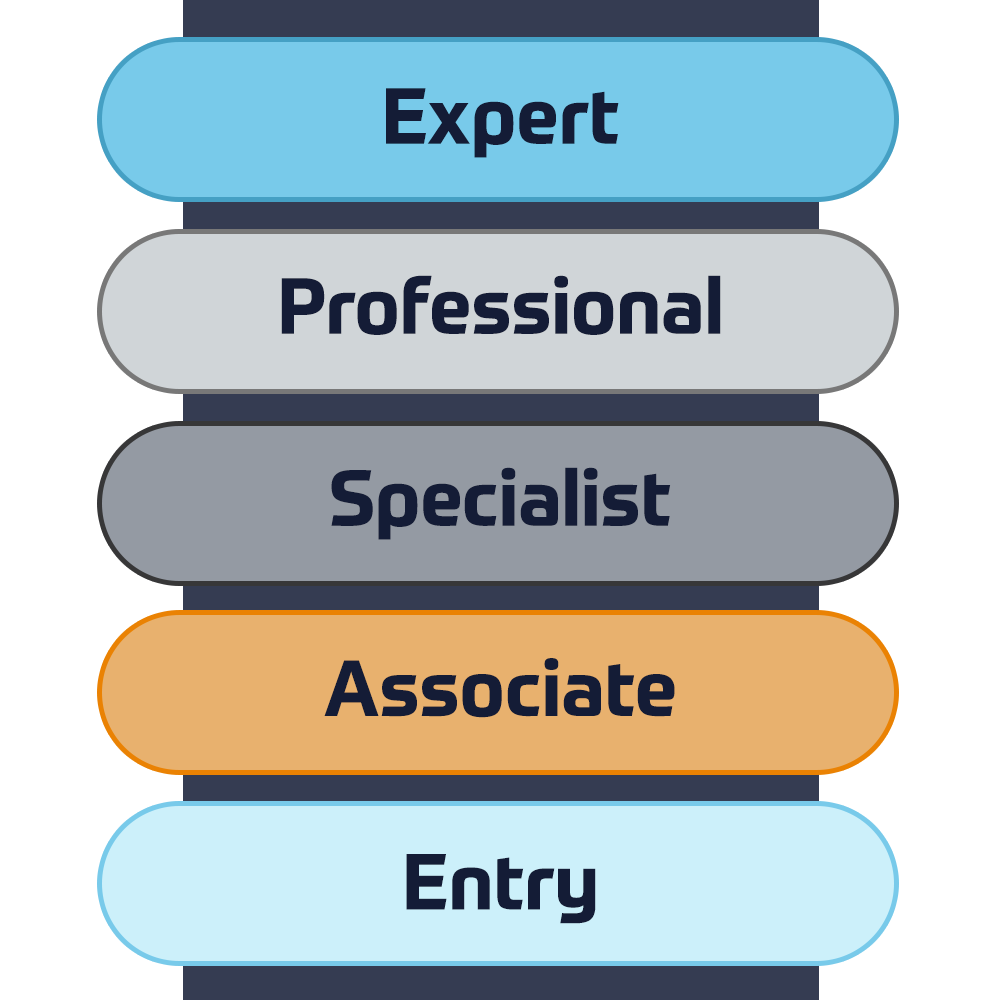
Oplev en blandet læringsmetode, der kombinerer det bedste fra instruktørstyret træning og e-læring i eget tempo for at hjælpe dig med at forberede dig til din certificeringseksamen.

Lær hvordan

Cisco Learning Credits

Cisco Learning Credits (CLCs) er forudbetalte træningskuponer, der indløses direkte med Cisco, og som gør det nemmere at planlægge din succes, når du køber Cisco-produkter og -tjenester.

Lær hvordan

Cisco Efteruddannelse

Cisco Continuing Education Program tilbyder alle aktive certificeringsindehavere fleksible muligheder for at gencertificere ved at gennemføre en række kvalificerede træningselementer.

Lær hvordan

Cisco Digital Learning

Certificerede medarbejdere er VÆRDSATTE aktiver. Udforsk Ciscos officielle digitale læringsbibliotek for at uddanne dig selv gennem optagede sessioner.

Lær hvordan

Cisco Business Enablement

Cisco Business Enablement Partner Program fokuserer på at skærpe Cisco Channel Partners og kunders forretningsmæssige færdigheder.

Lær hvordan

Cisco kursuskatalog

Lær hvordan

Fortinet-certificeringer

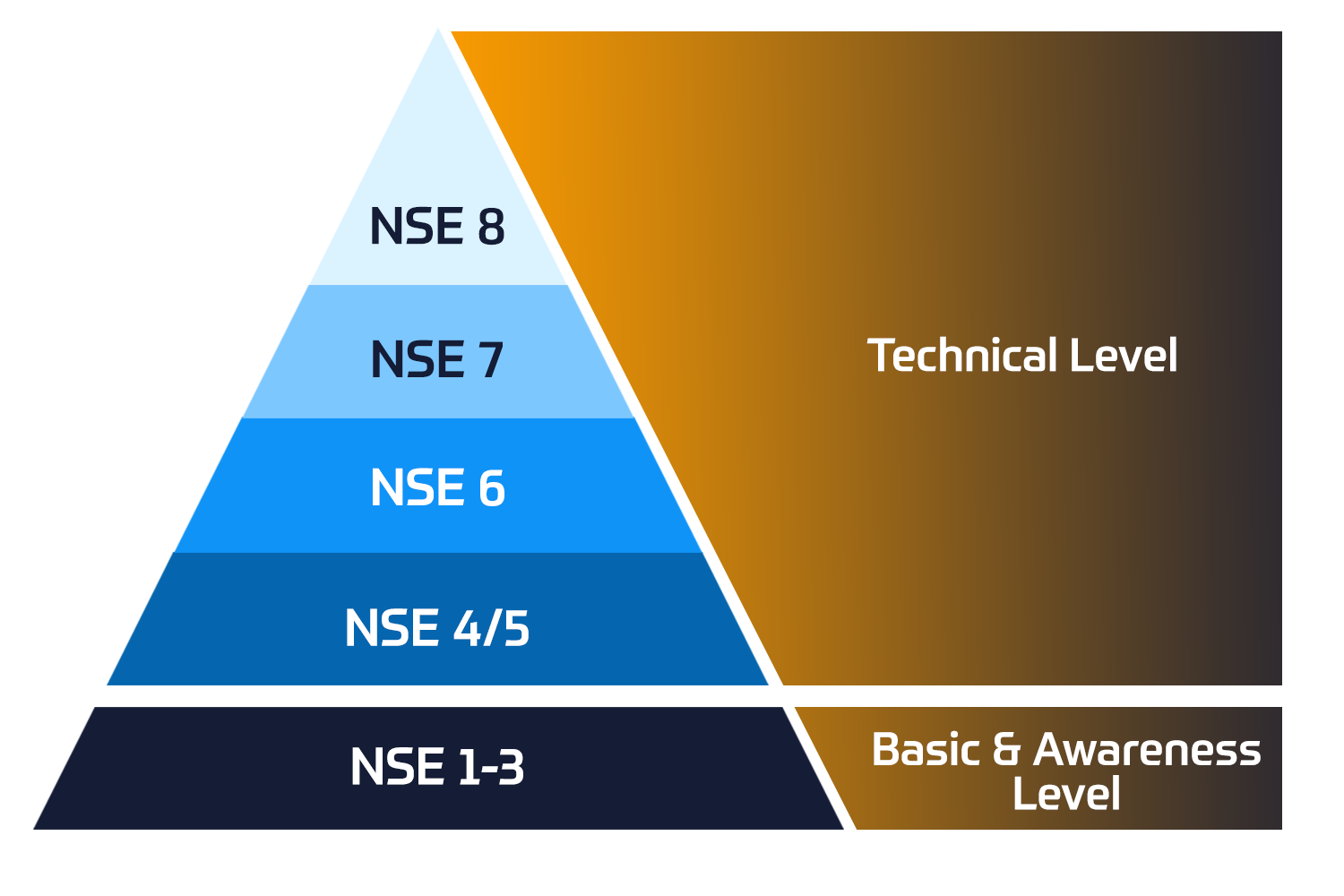
Fortinet Network Security Expert (NSE) -programmet er et otte-niveau uddannelses- og certificeringsprogram for at undervise ingeniører i deres netværkssikkerhed for Fortinet FW-færdigheder og erfaring.

Lær hvordan


Fortinet træning

Insoft er anerkendt som Autoriseret Fortinet Training Center på udvalgte steder på tværs af EMEA.

Tekniske kurser

Fortinet kursuskatalog

Udforsk hele Fortinet-træningskataloget. Programmet omfatter en bred vifte af selvstændige og instruktørledede kurser.

Lær hvordan

ATC-status

Tjek vores ATC-status på tværs af udvalgte lande i Europa.

Lær hvordan

Fortinet Professionelle Services

Globalt anerkendte team af certificerede eksperter hjælper dig med at gøre en mere jævn overgang med vores foruddefinerede konsulent-, installations- og migreringspakker til en lang række Fortinet-produkter.

Lær hvordan

AWS træning

Træningen inkluderer laboratorier i eget tempo til praktisk AWS-øvelse i virkelige scenarier, så du kan lære i dit eget tempo, i klassen, på arbejdet eller online.

Tekniske kurser

Extreme træning

Find all the Extreme Networks online and instructor led class room based calendar here.

Tekniske kurser

Tekniske certificeringer

Vi leverer omfattende læseplan for tekniske kompetencefærdigheder på certificeringspræstationen.

Lær hvordan

Extreme kursuskatalog

Lær hvordan

ATP-akkreditering

Som autoriseret uddannelsespartner (ATP) sikrer Insoft Services, at du får de højeste uddannelsesstandarder, der findes.

Lær hvordan

Løsninger og tjenester

Vi leverer innovativ og avanceret support til design, implementering og optimering af IT-løsninger. Vores kundebase omfatter nogle af de største Telcos globalt.

Lær hvordan

Globalt anerkendte team af certificerede eksperter hjælper dig med at gøre en mere jævn overgang med vores foruddefinerede konsulent-, installations- og migreringspakker til en lang række Fortinet-produkter.


Om os

Insoft tilbyder autoriseret uddannelses- og konsulentbistand til udvalgte IP-leverandører. Få mere at vide om, hvordan vi revolutionerer branchen.

Lær hvordan


  • +45 32 70 99 90
  • Planning and Designing Databases on AWS

    Duration
    3 Dage
    Delivery
    (Online Og På stedet)
    Price
    Pris på forespørgsel

    In this course, you will learn about planning and designing your solutions with purpose-built Amazon Web Services (AWS) Cloud databases. The course introduces you to the features and characteristics of each of these databases and shares the design considerations that you should make while using them. By taking this course, you can develop the analytical skills needed to choose the right AWS database for your unique needs. By the end of the course, you will be able to analyze a business use case, analyze the workload, and assess application requirements to identify and design the most suitable AWS database solution to support your organizational needs.


    • Course level: Intermediate

    In this course, you will learn how to do the following:

    • Summarize the AWS Well-Architected Framework for designing database solutions.
    • Choose an appropriate purpose-built database service for a given workload.
    • Design a relational database solution to solve a business problem.
    • Design a NoSQL database solution to solve a business problem.
    • Analyze data from multiple databases to solve a business problem.
    • Discuss the security considerations for your database solution.

    Day 1


    Module 0: Course Introduction

    • Course overview

    Module 1: AWS Purpose-Built Databases

    • Discussing well-architected databases
    • Analyzing workload requirements
    • Choosing the data model
    • Choosing the right purpose-built database
    • Knowledge check

    Module 2: Amazon Relational Database Service (Amazon RDS)

    • Discussing a relational database
    • What is Amazon RDS?
    • Why Amazon RDS?
    • Amazon RDS design considerations
    • Knowledge check

    Module 3: Amazon Aurora

    • What is Amazon Aurora?
    • Why Amazon Aurora?
    • Aurora design considerations
    • Knowledge check

    Challenge Lab 1: Working with Amazon Aurora databases


    Day 2


    Class Activity 1: Choose the Right Relational Database

    Module 4: Amazon DynamoDB

    • Discussing a key value database
    • What is DynamoDB?
    • Why DynamoDB?
    • DynamoDB design considerations
    • Knowledge check

    Module 5: Amazon Keyspaces (for Apache Cassandra)

    • Discussing a wide-column database
    • What is Apache Cassandra?
    • What is Amazon Keyspaces?
    • Why Amazon Keyspaces?
    • Amazon Keyspaces design considerations
    • Knowledge check

    Module 6: Amazon DocumentDB (with MongoDB compatibility)

    • Discussing a document database
    • What is Amazon DocumentDB?
    • Why Amazon DocumentDB?
    • Amazon DocumentDB design considerations
    • Knowledge check

    Module 7: Amazon Quantum Ledger Database (Amazon QLDB)

    • Discussing a ledger database
    • What is Amazon QLDB?
    • Why Amazon QLDB?
    • Amazon QLDB design considerations
    • Knowledge check

    Class Activity 2: Choose the Right Nonrelational Database

    Challenge Lab 2: Working with Amazon DynamoDB Tables


    Day 3


    Module 8: Amazon Neptune

    • Discussing a graph database
    • What is Amazon Neptune?
    • Why Amazon Neptune?
    • Amazon Neptune design considerations
    • Knowledge check

    Module 9: Amazon Timestream

    • Discussing a timeseries database
    • What is Amazon Timestream?
    • Why Amazon Timestream?
    • Amazon Timestream design considerations
    • Knowledge check

    Module 10: Amazon ElastiCache

    • Discussing an in-memory database
    • What is ElastiCache?
    • Why ElastiCache?
    • ElastiCache design considerations
    • Knowledge check

    Module 11: Amazon MemoryDB for Redis

    • What is Amazon MemoryDB (for Redis)?
    • Why Amazon MemoryDB?
    • Amazon MemoryDB design considerations
    • Knowledge check

    Class Activity 3: Let’s Cache In

    Module 12: Amazon Redshift

    • Discussing a data warehouse
    • What is Amazon Redshift?
    • Why Amazon Redshift?
    • Amazon Redshift design considerations
    • Knowledge check

    Module 13: Tools for Working with AWS Databases

    • Data access and analysis with Amazon Athena
    • Data migration with SCT and DMS

    Class Activity 4: Overall Picture

    Challenge Lab 3: Working with Amazon Redshift clusters

    This course is intended for learners in the following roles:

    • Solutions architects
    • Database architects
    • Developers

    We recommend the following prerequisites for attendees of this course:

    • Familiarity with AWS database services
    • Understanding of database design concepts and/or data modeling for relational or nonrelational databases
    • Familiarity with cloud computing concepts
    • Familiarity with general networking and encryption concepts
    • Completion of the digital course Introduction to Building with AWS Databases

    In this course, you will learn about planning and designing your solutions with purpose-built Amazon Web Services (AWS) Cloud databases. The course introduces you to the features and characteristics of each of these databases and shares the design considerations that you should make while using them. By taking this course, you can develop the analytical skills needed to choose the right AWS database for your unique needs. By the end of the course, you will be able to analyze a business use case, analyze the workload, and assess application requirements to identify and design the most suitable AWS database solution to support your organizational needs.


    • Course level: Intermediate

    In this course, you will learn how to do the following:

    • Summarize the AWS Well-Architected Framework for designing database solutions.
    • Choose an appropriate purpose-built database service for a given workload.
    • Design a relational database solution to solve a business problem.
    • Design a NoSQL database solution to solve a business problem.
    • Analyze data from multiple databases to solve a business problem.
    • Discuss the security considerations for your database solution.

    Day 1


    Module 0: Course Introduction

    • Course overview

    Module 1: AWS Purpose-Built Databases

    • Discussing well-architected databases
    • Analyzing workload requirements
    • Choosing the data model
    • Choosing the right purpose-built database
    • Knowledge check

    Module 2: Amazon Relational Database Service (Amazon RDS)

    • Discussing a relational database
    • What is Amazon RDS?
    • Why Amazon RDS?
    • Amazon RDS design considerations
    • Knowledge check

    Module 3: Amazon Aurora

    • What is Amazon Aurora?
    • Why Amazon Aurora?
    • Aurora design considerations
    • Knowledge check

    Challenge Lab 1: Working with Amazon Aurora databases


    Day 2


    Class Activity 1: Choose the Right Relational Database

    Module 4: Amazon DynamoDB

    • Discussing a key value database
    • What is DynamoDB?
    • Why DynamoDB?
    • DynamoDB design considerations
    • Knowledge check

    Module 5: Amazon Keyspaces (for Apache Cassandra)

    • Discussing a wide-column database
    • What is Apache Cassandra?
    • What is Amazon Keyspaces?
    • Why Amazon Keyspaces?
    • Amazon Keyspaces design considerations
    • Knowledge check

    Module 6: Amazon DocumentDB (with MongoDB compatibility)

    • Discussing a document database
    • What is Amazon DocumentDB?
    • Why Amazon DocumentDB?
    • Amazon DocumentDB design considerations
    • Knowledge check

    Module 7: Amazon Quantum Ledger Database (Amazon QLDB)

    • Discussing a ledger database
    • What is Amazon QLDB?
    • Why Amazon QLDB?
    • Amazon QLDB design considerations
    • Knowledge check

    Class Activity 2: Choose the Right Nonrelational Database

    Challenge Lab 2: Working with Amazon DynamoDB Tables


    Day 3


    Module 8: Amazon Neptune

    • Discussing a graph database
    • What is Amazon Neptune?
    • Why Amazon Neptune?
    • Amazon Neptune design considerations
    • Knowledge check

    Module 9: Amazon Timestream

    • Discussing a timeseries database
    • What is Amazon Timestream?
    • Why Amazon Timestream?
    • Amazon Timestream design considerations
    • Knowledge check

    Module 10: Amazon ElastiCache

    • Discussing an in-memory database
    • What is ElastiCache?
    • Why ElastiCache?
    • ElastiCache design considerations
    • Knowledge check

    Module 11: Amazon MemoryDB for Redis

    • What is Amazon MemoryDB (for Redis)?
    • Why Amazon MemoryDB?
    • Amazon MemoryDB design considerations
    • Knowledge check

    Class Activity 3: Let’s Cache In

    Module 12: Amazon Redshift

    • Discussing a data warehouse
    • What is Amazon Redshift?
    • Why Amazon Redshift?
    • Amazon Redshift design considerations
    • Knowledge check

    Module 13: Tools for Working with AWS Databases

    • Data access and analysis with Amazon Athena
    • Data migration with SCT and DMS

    Class Activity 4: Overall Picture

    Challenge Lab 3: Working with Amazon Redshift clusters

    This course is intended for learners in the following roles:

    • Solutions architects
    • Database architects
    • Developers

    We recommend the following prerequisites for attendees of this course:

    • Familiarity with AWS database services
    • Understanding of database design concepts and/or data modeling for relational or nonrelational databases
    • Familiarity with cloud computing concepts
    • Familiarity with general networking and encryption concepts
    • Completion of the digital course Introduction to Building with AWS Databases
      Kommende datoer
    • ` 29 Dec - 31 Dec, 2025
    • ` 26 Jan - 28 Jan, 2026
    • ` 23 Feb - 25 Feb, 2026
    • ` 23 Mar - 25 Mar, 2026
    • ` 20 Apr - 22 Apr, 2026
    • ` 18 May - 20 May, 2026

    Follow Up Courses

    Filtrer
    • 2 Dage
      Dato på anmodning
      Price on Request
      Book Now
    • 3 Dage
      Dato på anmodning
      Price on Request
      Book Now
    • 3 Dage
      Dato på anmodning
      Price on Request
      Book Now
    • 3 Dage
      Dato på anmodning
      Price on Request
      Book Now
    • 3 Dage
      Dato på anmodning
      Price on Request
      Book Now
    • 3 Dage
      Dato på anmodning
      Price on Request
      Book Now
    • 1 Dag
      Dato på anmodning
      Price on Request
      Book Now
    • 2 Dage
      Dato på anmodning
      Price on Request
      Book Now
    • 3 Dage
      Dato på anmodning
      Price on Request
      Book Now
    • 1 Dag
      Dato på anmodning
      Price on Request
      Book Now

    Know someone who´d be interested in this course?
    Let them know...

    Use the hashtag #InsoftLearning to talk about this course and find students like you on social media.