


Cisco Training Courses

Insoft has been serving IT community with official Cisco training offering since 2010. Find all the relevant information on Cisco training on this page.

View More

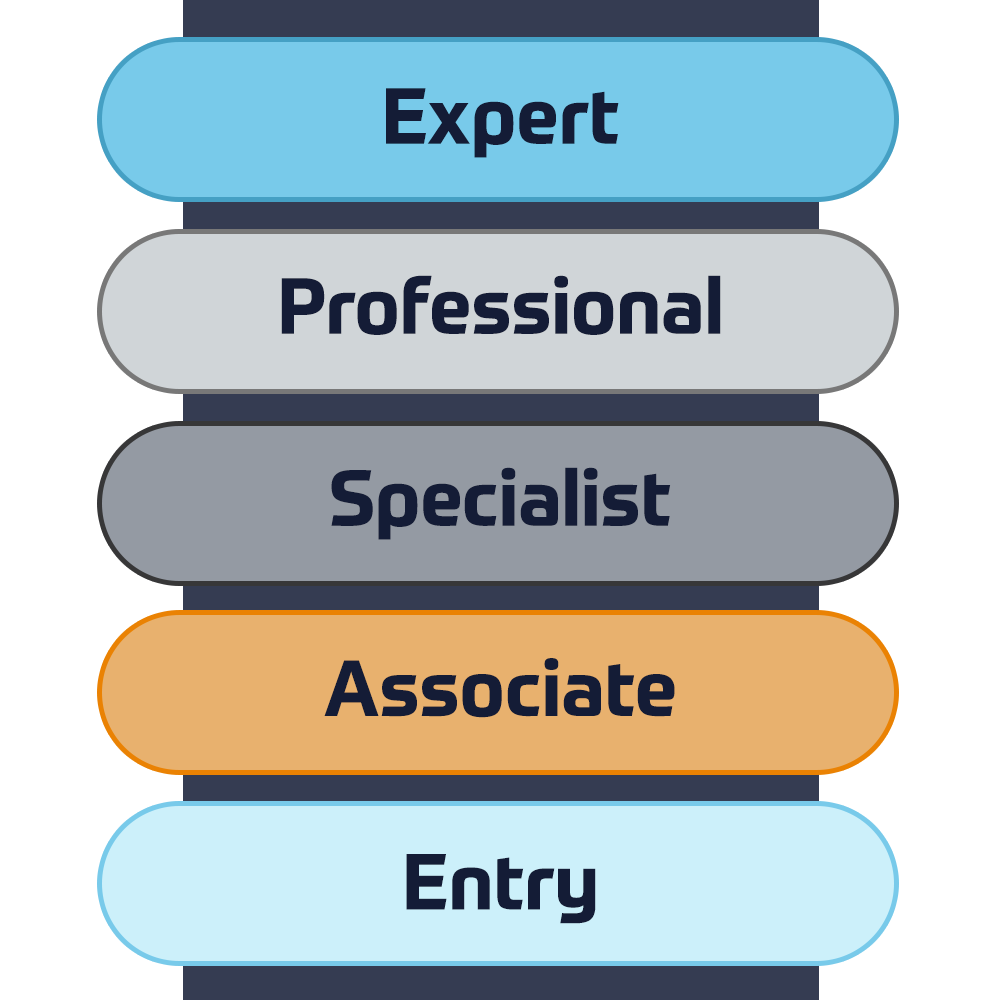
Cisco Certifications

Experience a blended learning approach that combines the best of instructor-led training and self-paced e-learning to help you prepare for your certification exam.

View More

Cisco Training Catalogue

Explore a wide variety of the Cisco courses, across different countries as well as online courses.

Browse Catalogue

Cisco Learning Credits

Cisco Learning Credits (CLCs) are prepaid training vouchers redeemed directly with Cisco that make planning for your success easier when purchasing Cisco products and services.

Have CLCs and want to redeem them?

Cisco Continuing Education

The Cisco Continuing Education Program offers all active certification holders flexible options to recertify by completing a variety of eligible training items.

View More

Cisco Digital Learning

Certified employees are VALUED assets. Explore Cisco official Digital Learning Library to educate yourself through recorded sessions.

Browse CDLL Catalogue

Cisco Business Enablement

The Cisco Business Enablement Partner Program focuses on sharpening the business skills of Cisco Channel Partners and customers.

View More
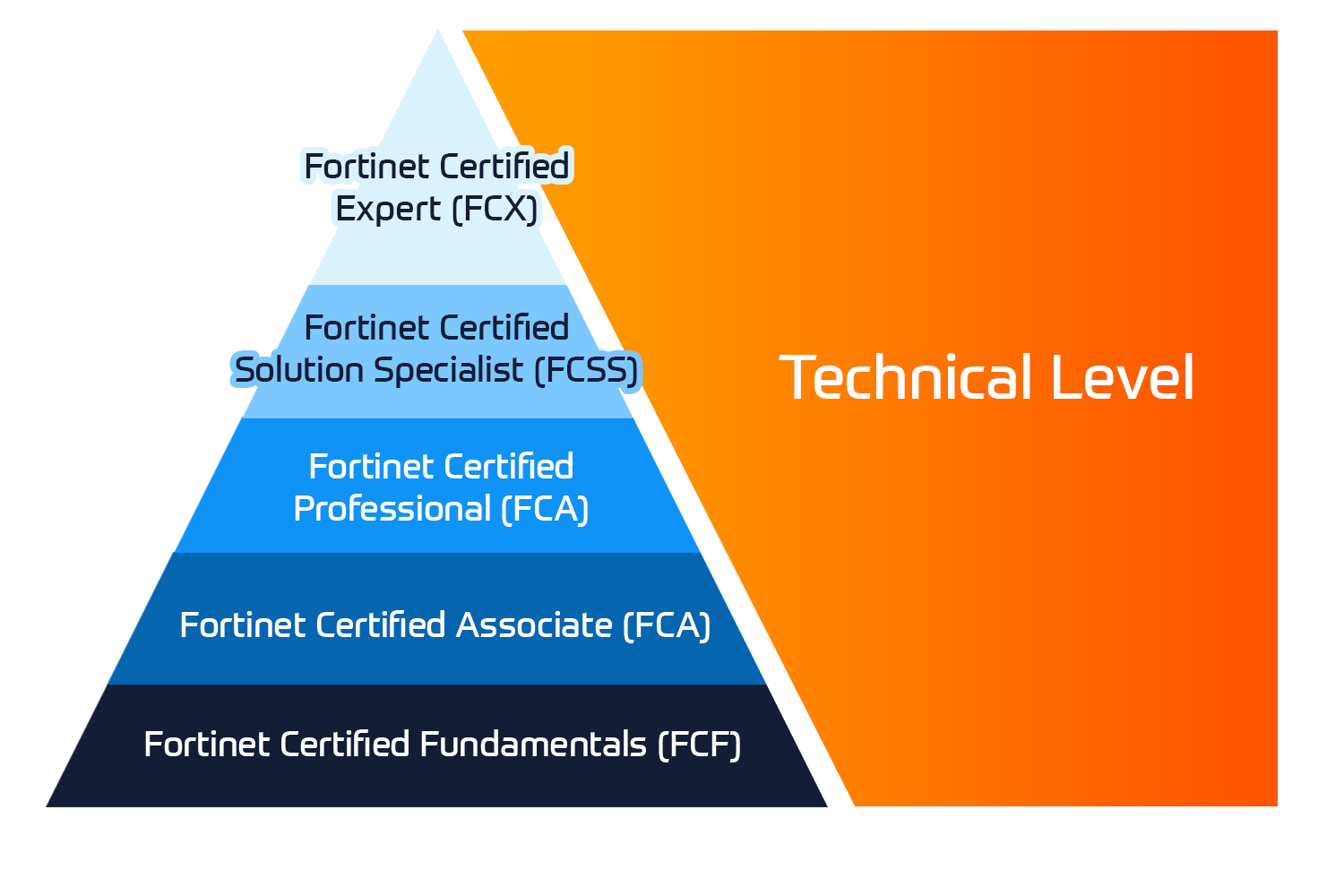
Fortinet Technical Certifications

The Fortinet Network Security Expert (NSE) program is an eight-level training and certification program to teach engineers of their network security for Fortinet FW skills and experience.

View More


Fortinet Technical Courses

Insoft is recognised as Fortinet Authorized Training Center in selected locations across EMEA.

View More

Fortinet Training Catalogue

Explore the full Fortinet training catalogue. The program includes a wide range of self-paced and instructor-led courses.

Browse Catalogue

Official ATC Status

Check our ATC Status across selected countries in Europe.

View More

Fortinet Services Packages

Insoft Services has developed a specific solution to streamline and simplify the process of installing or migrating to Fortinet Products.

Browse Packages

Prepforce Bootcamp

The only comprehensive source available today to prepare for Fortinet NSE 8 certification globally.

View More

Microsoft Training

Insoft Services provides Microsoft training in EMEAR. We offer Microsoft technical training and certification courses that are led by world-class instructors.

View More


Technical Training

The evolution of Extreme Networks Technical Training provides a comprehensive progressive pathway from Associate to Professional accreditation.

View More

Technical Certification

We provide comprehensive curriculum of technical competency skills on the certification accomplishment.

View More

Courses Catalogue

Find all the Extreme Networks online and instructor led class room based calendar here.

View More

ATP Accreditation

As an authorised training partner (ATP), Insoft Services ensures that you receive the highest standards of education available.

View More

Consulting package

We provide innovative and advanced support for designing, implementing and optimising IT solutions. Our client-base includes some of the largest Telcos globally.

Solutions and services

Globally recognised team of certified experts helps you make a smoother transition with our pre-defined consultancy, installation and migration packages for a wide range of Fortinet products.


About Us

Our training portfolio includes a wide range of IT training from IP providers, including Cisco, Extreme Networks, Fortinet, Microsoft, to name a few, in EMEA.

View More

  • +44 20 7131 0263
  • Planning and Designing Databases on AWS

    Duration
    3 days
    Delivery
    (Online and onsite)
    Price
    Price Upon Request

    In this course, you will learn about planning and designing your solutions with purpose-built Amazon Web Services (AWS) Cloud databases. The course introduces you to the features and characteristics of each of these databases and shares the design considerations that you should make while using them. By taking this course, you can develop the analytical skills needed to choose the right AWS database for your unique needs. By the end of the course, you will be able to analyze a business use case, analyze the workload, and assess application requirements to identify and design the most suitable AWS database solution to support your organizational needs.


    • Course level: Intermediate

    In this course, you will learn how to do the following:

    • Summarize the AWS Well-Architected Framework for designing database solutions.
    • Choose an appropriate purpose-built database service for a given workload.
    • Design a relational database solution to solve a business problem.
    • Design a NoSQL database solution to solve a business problem.
    • Analyze data from multiple databases to solve a business problem.
    • Discuss the security considerations for your database solution.

    Day 1


    Module 0: Course Introduction

    • Course overview

    Module 1: AWS Purpose-Built Databases

    • Discussing well-architected databases
    • Analyzing workload requirements
    • Choosing the data model
    • Choosing the right purpose-built database
    • Knowledge check

    Module 2: Amazon Relational Database Service (Amazon RDS)

    • Discussing a relational database
    • What is Amazon RDS?
    • Why Amazon RDS?
    • Amazon RDS design considerations
    • Knowledge check

    Module 3: Amazon Aurora

    • What is Amazon Aurora?
    • Why Amazon Aurora?
    • Aurora design considerations
    • Knowledge check

    Challenge Lab 1: Working with Amazon Aurora databases


    Day 2


    Class Activity 1: Choose the Right Relational Database

    Module 4: Amazon DynamoDB

    • Discussing a key value database
    • What is DynamoDB?
    • Why DynamoDB?
    • DynamoDB design considerations
    • Knowledge check

    Module 5: Amazon Keyspaces (for Apache Cassandra)

    • Discussing a wide-column database
    • What is Apache Cassandra?
    • What is Amazon Keyspaces?
    • Why Amazon Keyspaces?
    • Amazon Keyspaces design considerations
    • Knowledge check

    Module 6: Amazon DocumentDB (with MongoDB compatibility)

    • Discussing a document database
    • What is Amazon DocumentDB?
    • Why Amazon DocumentDB?
    • Amazon DocumentDB design considerations
    • Knowledge check

    Module 7: Amazon Quantum Ledger Database (Amazon QLDB)

    • Discussing a ledger database
    • What is Amazon QLDB?
    • Why Amazon QLDB?
    • Amazon QLDB design considerations
    • Knowledge check

    Class Activity 2: Choose the Right Nonrelational Database

    Challenge Lab 2: Working with Amazon DynamoDB Tables


    Day 3


    Module 8: Amazon Neptune

    • Discussing a graph database
    • What is Amazon Neptune?
    • Why Amazon Neptune?
    • Amazon Neptune design considerations
    • Knowledge check

    Module 9: Amazon Timestream

    • Discussing a timeseries database
    • What is Amazon Timestream?
    • Why Amazon Timestream?
    • Amazon Timestream design considerations
    • Knowledge check

    Module 10: Amazon ElastiCache

    • Discussing an in-memory database
    • What is ElastiCache?
    • Why ElastiCache?
    • ElastiCache design considerations
    • Knowledge check

    Module 11: Amazon MemoryDB for Redis

    • What is Amazon MemoryDB (for Redis)?
    • Why Amazon MemoryDB?
    • Amazon MemoryDB design considerations
    • Knowledge check

    Class Activity 3: Let’s Cache In

    Module 12: Amazon Redshift

    • Discussing a data warehouse
    • What is Amazon Redshift?
    • Why Amazon Redshift?
    • Amazon Redshift design considerations
    • Knowledge check

    Module 13: Tools for Working with AWS Databases

    • Data access and analysis with Amazon Athena
    • Data migration with SCT and DMS

    Class Activity 4: Overall Picture

    Challenge Lab 3: Working with Amazon Redshift clusters

    This course is intended for learners in the following roles:

    • Solutions architects
    • Database architects
    • Developers

    We recommend the following prerequisites for attendees of this course:

    • Familiarity with AWS database services
    • Understanding of database design concepts and/or data modeling for relational or nonrelational databases
    • Familiarity with cloud computing concepts
    • Familiarity with general networking and encryption concepts
    • Completion of the digital course Introduction to Building with AWS Databases

    In this course, you will learn about planning and designing your solutions with purpose-built Amazon Web Services (AWS) Cloud databases. The course introduces you to the features and characteristics of each of these databases and shares the design considerations that you should make while using them. By taking this course, you can develop the analytical skills needed to choose the right AWS database for your unique needs. By the end of the course, you will be able to analyze a business use case, analyze the workload, and assess application requirements to identify and design the most suitable AWS database solution to support your organizational needs.


    • Course level: Intermediate

    In this course, you will learn how to do the following:

    • Summarize the AWS Well-Architected Framework for designing database solutions.
    • Choose an appropriate purpose-built database service for a given workload.
    • Design a relational database solution to solve a business problem.
    • Design a NoSQL database solution to solve a business problem.
    • Analyze data from multiple databases to solve a business problem.
    • Discuss the security considerations for your database solution.

    Day 1


    Module 0: Course Introduction

    • Course overview

    Module 1: AWS Purpose-Built Databases

    • Discussing well-architected databases
    • Analyzing workload requirements
    • Choosing the data model
    • Choosing the right purpose-built database
    • Knowledge check

    Module 2: Amazon Relational Database Service (Amazon RDS)

    • Discussing a relational database
    • What is Amazon RDS?
    • Why Amazon RDS?
    • Amazon RDS design considerations
    • Knowledge check

    Module 3: Amazon Aurora

    • What is Amazon Aurora?
    • Why Amazon Aurora?
    • Aurora design considerations
    • Knowledge check

    Challenge Lab 1: Working with Amazon Aurora databases


    Day 2


    Class Activity 1: Choose the Right Relational Database

    Module 4: Amazon DynamoDB

    • Discussing a key value database
    • What is DynamoDB?
    • Why DynamoDB?
    • DynamoDB design considerations
    • Knowledge check

    Module 5: Amazon Keyspaces (for Apache Cassandra)

    • Discussing a wide-column database
    • What is Apache Cassandra?
    • What is Amazon Keyspaces?
    • Why Amazon Keyspaces?
    • Amazon Keyspaces design considerations
    • Knowledge check

    Module 6: Amazon DocumentDB (with MongoDB compatibility)

    • Discussing a document database
    • What is Amazon DocumentDB?
    • Why Amazon DocumentDB?
    • Amazon DocumentDB design considerations
    • Knowledge check

    Module 7: Amazon Quantum Ledger Database (Amazon QLDB)

    • Discussing a ledger database
    • What is Amazon QLDB?
    • Why Amazon QLDB?
    • Amazon QLDB design considerations
    • Knowledge check

    Class Activity 2: Choose the Right Nonrelational Database

    Challenge Lab 2: Working with Amazon DynamoDB Tables


    Day 3


    Module 8: Amazon Neptune

    • Discussing a graph database
    • What is Amazon Neptune?
    • Why Amazon Neptune?
    • Amazon Neptune design considerations
    • Knowledge check

    Module 9: Amazon Timestream

    • Discussing a timeseries database
    • What is Amazon Timestream?
    • Why Amazon Timestream?
    • Amazon Timestream design considerations
    • Knowledge check

    Module 10: Amazon ElastiCache

    • Discussing an in-memory database
    • What is ElastiCache?
    • Why ElastiCache?
    • ElastiCache design considerations
    • Knowledge check

    Module 11: Amazon MemoryDB for Redis

    • What is Amazon MemoryDB (for Redis)?
    • Why Amazon MemoryDB?
    • Amazon MemoryDB design considerations
    • Knowledge check

    Class Activity 3: Let’s Cache In

    Module 12: Amazon Redshift

    • Discussing a data warehouse
    • What is Amazon Redshift?
    • Why Amazon Redshift?
    • Amazon Redshift design considerations
    • Knowledge check

    Module 13: Tools for Working with AWS Databases

    • Data access and analysis with Amazon Athena
    • Data migration with SCT and DMS

    Class Activity 4: Overall Picture

    Challenge Lab 3: Working with Amazon Redshift clusters

    This course is intended for learners in the following roles:

    • Solutions architects
    • Database architects
    • Developers

    We recommend the following prerequisites for attendees of this course:

    • Familiarity with AWS database services
    • Understanding of database design concepts and/or data modeling for relational or nonrelational databases
    • Familiarity with cloud computing concepts
    • Familiarity with general networking and encryption concepts
    • Completion of the digital course Introduction to Building with AWS Databases
      Upcoming Dates
    • ` 29 Dec - 31 Dec, 2025
    • ` 26 Jan - 28 Jan, 2026
    • ` 23 Feb - 25 Feb, 2026
    • ` 23 Mar - 25 Mar, 2026
    • ` 20 Apr - 22 Apr, 2026
    • ` 18 May - 20 May, 2026

    Follow Up Courses

    Filter
    • 3 days
      Date on Request
      Price on Request
      Book Now
    • 2 days
      Date on Request
      Price on Request
      Book Now
    • 1 days
      Date on Request
      Price on Request
      Book Now
    • 2 days
      Date on Request
      Price on Request
      Book Now
    • 1 days
      Date on Request
      Price on Request
      Book Now
    • 3 days
      Date on Request
      Price on Request
      Book Now
    • 1 days
      Date on Request
      Price on Request
      Book Now
    • 1 days
      Date on Request
      Price on Request
      Book Now
    • 1 days
      Date on Request
      Price on Request
      Book Now
    • 1 days
      Date on Request
      Price on Request
      Book Now

    Know someone who´d be interested in this course?
    Let them know...

    Use the hashtag #InsoftLearning to talk about this course and find students like you on social media.