

Cisco træning

Insoft Services er en af de få uddannelsesudbydere i EMEAR, der tilbyder hele spektret af Cisco-certificering og specialiseret teknologiuddannelse.

Lær hvordan

Cisco-certificeringer

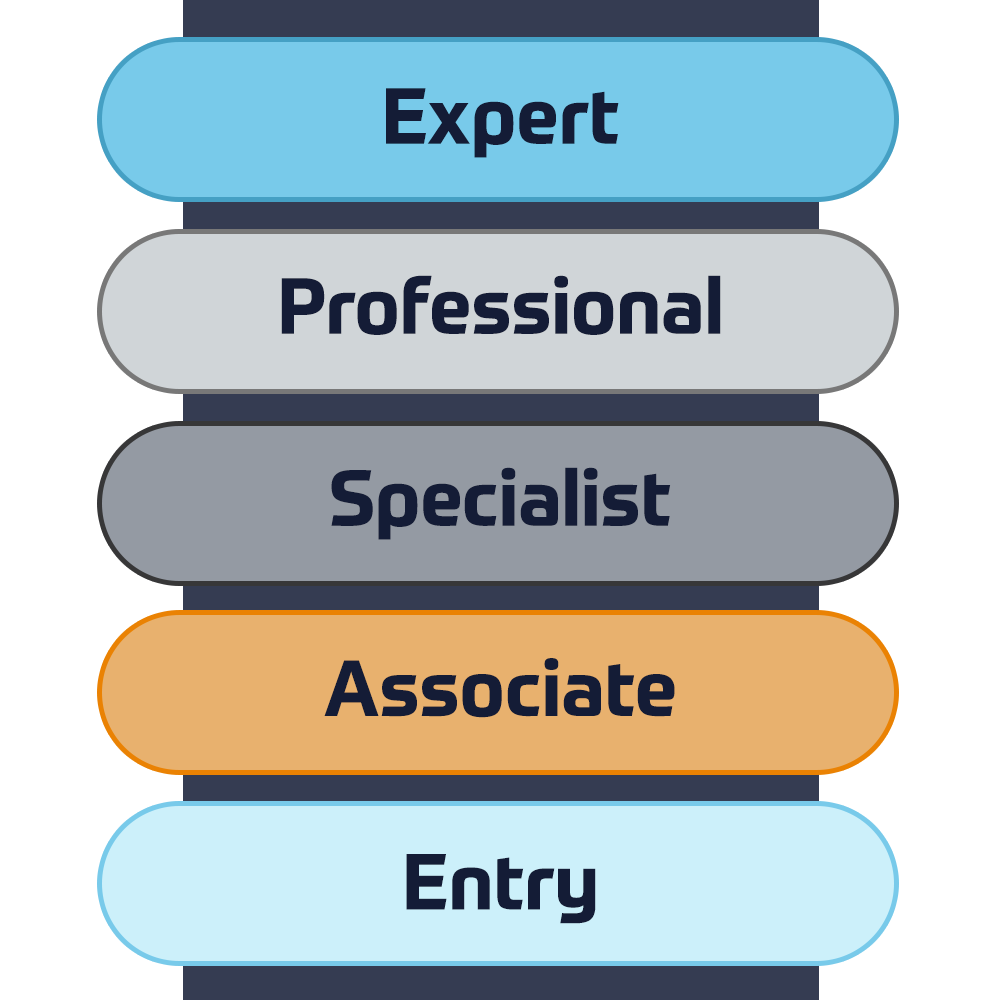
Oplev en blandet læringsmetode, der kombinerer det bedste fra instruktørstyret træning og e-læring i eget tempo for at hjælpe dig med at forberede dig til din certificeringseksamen.

Lær hvordan

Cisco Learning Credits

Cisco Learning Credits (CLCs) er forudbetalte træningskuponer, der indløses direkte med Cisco, og som gør det nemmere at planlægge din succes, når du køber Cisco-produkter og -tjenester.

Lær hvordan
Cisco Efteruddannelse

Cisco Continuing Education Program tilbyder alle aktive certificeringsindehavere fleksible muligheder for at gencertificere ved at gennemføre en række kvalificerede træningselementer.

Lær hvordan

Cisco Digital Learning

Certificerede medarbejdere er VÆRDSATTE aktiver. Udforsk Ciscos officielle digitale læringsbibliotek for at uddanne dig selv gennem optagede sessioner.

Lær hvordan

Cisco Business Enablement

Cisco Business Enablement Partner Program fokuserer på at skærpe Cisco Channel Partners og kunders forretningsmæssige færdigheder.

Lær hvordan
Cisco kursuskatalog

Lær hvordan

Fortinet-certificeringer

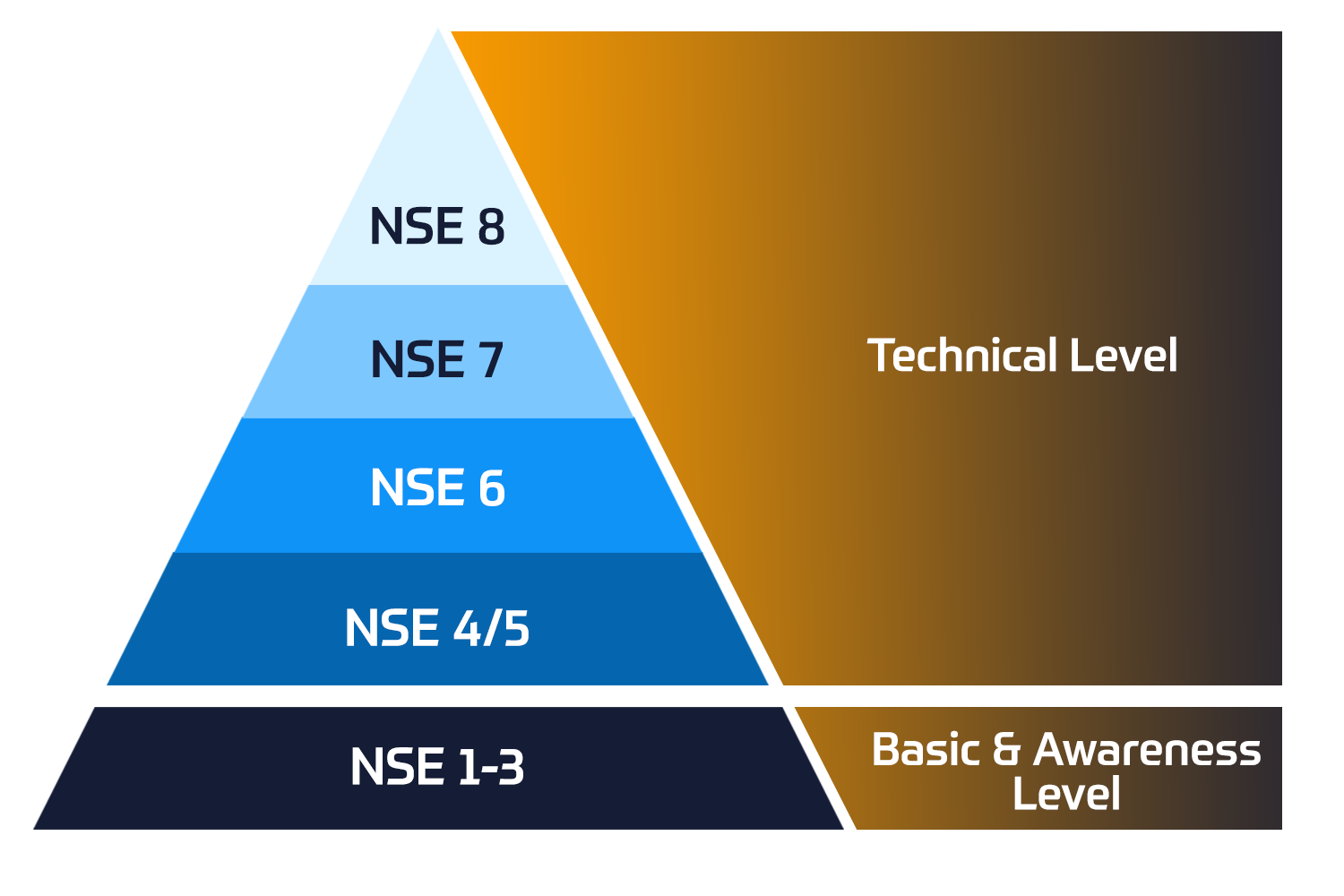
Fortinet Network Security Expert (NSE) -programmet er et otte-niveau uddannelses- og certificeringsprogram for at undervise ingeniører i deres netværkssikkerhed for Fortinet FW-færdigheder og erfaring.

Lær hvordan


Fortinet træning

Insoft er anerkendt som Autoriseret Fortinet Training Center på udvalgte steder på tværs af EMEA.

Tekniske kurser

Fortinet kursuskatalog

Udforsk hele Fortinet-træningskataloget. Programmet omfatter en bred vifte af selvstændige og instruktørledede kurser.

Lær hvordan

ATC-status

Tjek vores ATC-status på tværs af udvalgte lande i Europa.

Lær hvordan

Fortinet Professionelle Services

Globalt anerkendte team af certificerede eksperter hjælper dig med at gøre en mere jævn overgang med vores foruddefinerede konsulent-, installations- og migreringspakker til en lang række Fortinet-produkter.

Lær hvordan

AWS træning

Træningen inkluderer laboratorier i eget tempo til praktisk AWS-øvelse i virkelige scenarier, så du kan lære i dit eget tempo, i klassen, på arbejdet eller online.

Tekniske kurser

Extreme træning

Find all the Extreme Networks online and instructor led class room based calendar here.

Tekniske kurser

Tekniske certificeringer

Vi leverer omfattende læseplan for tekniske kompetencefærdigheder på certificeringspræstationen.

Lær hvordan

Extreme kursuskatalog

Lær hvordan

ATP-akkreditering

Som autoriseret uddannelsespartner (ATP) sikrer Insoft Services, at du får de højeste uddannelsesstandarder, der findes.

Lær hvordan

Løsninger og tjenester

Vi leverer innovativ og avanceret support til design, implementering og optimering af IT-løsninger. Vores kundebase omfatter nogle af de største Telcos globalt.

Lær hvordan

Globalt anerkendte team af certificerede eksperter hjælper dig med at gøre en mere jævn overgang med vores foruddefinerede konsulent-, installations- og migreringspakker til en lang række Fortinet-produkter.


Om os

Insoft tilbyder autoriseret uddannelses- og konsulentbistand til udvalgte IP-leverandører. Få mere at vide om, hvordan vi revolutionerer branchen.

Lær hvordan


  • +45 32 70 99 90
  • Forcepoint Secure SD-WAN Administrator

    Duration
    3 Dage
    Delivery
    Online
    Price
    Pris på forespørgsel

    In this Forcepoint Secure SD-WAN Administrator course, you will learn how to install, configure, administer, and support Forcepoint Secure SD-WAN. Through instructional content, demonstrations, and hands-on lab practice exercises, you will learn the requirements and recommendations to successfully deploy the product in a variety of network environments. You will also develop expertise in creating security rules and policies, managing users and authentication, configuring VPNs, traffic deep inspection, and performing common administration tasks including status monitoring and reporting.

    • Access the virtual training environment, class materials and lab environment.
    • Identify the components of the SMC and their roles.
    • Administer the SMC components and use them to manage and monitor SD-WAN Engines.
    • Configure security policies and access control.
    • Configure network address translation.
    • Implement deep inspection through policies and templates.
    • Implement alerting and notification.
    • Manage users and authentication.
    • Configure an SSL VPN portal.
    • Configure a site-to-site SD-WAN.
    • Manage log collection and storage.
    • Utilize monitoring, statistics, and reporting.
    • Employ policy management tools.
    • Generate diagnostic reports for troubleshooting.
    • Integrate SD-WAN with other Forcepoint solutions.
    • Perform basic troubleshooting of SD-WAN.
    • Install a single Engine

    Module 0: Introducing the Course

    • Introduction to the virtual training environment.


    Module 1: Exploring the Engine

    • List the benefits and differentiators of Secure SD-WAN.
    • Describe the Secure SD-WAN Engine and appliances.
    • Differentiate between virtual Engines and virtual appliances.
    • Describe at least one of the installation methods.
    • List the four common Secure SD-WAN deployments.


    Module 2: Reviewing the Secure SD-WAN Manager Console (SMC)

    • Describe the Secure SD-WAN Manager console and its key features.
    • Describe the Secure SD-WAN system architecture.
    • Identify the ports used for communication between the SMC components.
    • Explain the use of locations and contact addresses.
    • Explain the use of SMC Domains.


    Module 3: Getting Started with the Secure SD-WAN Manager Console (SMC)

    • Describe the management client and how it works.
    • Create system backups.
    • Describe the SMC high availability options.
    • Configure the SMC Administrator Access.
    • Apply configuration to Secure SD-WAN Engines.
    • Describe how logs work.


    Module 4: Reviewing Policies and Templates

    • Describe the types of Engine policies.
    • Define Engine policy templates.
    • Create an Engine policy hierarchy.
    • Describe the benefits of aliases and continue rules.


    Module 5: Configuring Access and NAT Rules

    • Explain how traffic is matched in access rules.
    • Explain the different types of access rules.
    • Describe the actions for processing traffic in access rules.
    • Explain the different types of NAT.
    • Configure NAT rules.


    Module 6: Introducing Traffic Inspection

    • Explain the difference between a service, service with protocol, and proxy.
    • Explain the enhanced access control methods.
    • Explain different ways to control applications.
    • List the detection methods used in the Engine Inspection.
    • Describe advanced evasion techniques (AETs) and normalization.
    • Describe TLS Inspection.
    • Configure Snort inspection on Engine.
    • List the Forcepoint and third-party products that integrate with Forcepoint Engine.


    Module 7: Setting up Inspection Policies

    • Explain how to send traffic for deep packet inspection.
    • Describe Forcepoint Engine situations and how to use them.
    • Define the different types of rules in the inspection policy.
    • Tune an inspection policy.


    Module 8: Detecting Malware and Filtering Files

    • List the different options for detecting malware.
    • Explain how to send traffic for malware detection.
    • Configure a file filtering policy.
    • Integrate Forcepoint Engine with a Forcepoint Data Loss Prevention (DLP) system.


    Module 9: Configuring Alerts and Notifications

    • Explain the alert escalation process in Forcepoint Secure SD-WAN.
    • Create an alert policy and alert chain to escalate an alert.


    Module 10: Managing Users and Authentication

    • Identify supported directory servers and authentication methods.
    • Explain the browser-based user authentication mechanism.
    • Configure user authentication.
    • Differentiate between user authentication and user identification.
    • Explain the difference between the Forcepoint UID and ECA.
    • Configure user behavior monitoring.


    Module 11: Configuring the SSL VPN Portal

    • List Engine Mobile VPN Access options.
    • Describe the SSL VPN Portal and the URL Rewrite translation method.
    • Configure an SSL VPN Portal.


    Module 12: Configuring SD-WAN

    • Define the terms used by the Forcepoint SD-WAN feature.
    • Explain how site-to-site SD-WANs work.
    • Describe Full Mesh, Star, and Hub site-to-site SD-WAN topologies.
    • List the SD-WAN features that Forcepoint Engine supports.
    • Configure a policy-based SD-WAN
    • Describe how route-based SD-WANs work.


    Module 13: Analyzing Logs

    • Describe the log entry types available in Forcepoint Secure SD-WAN.
    • Use the Management Client interface to interpret and analyze logs.
    • Configure and manage logs.
    • Create permanent filters.
    • Analyze how pruning filters affect log data.
    • Configure the log server to forward logs to third-party SIEM systems.
    • Describe the methods available for managing the space consumed by log data.


    Module 14: Utilizing Policy Tools

    • Describe the benefits of Policy Snapshots.
    • Search rules in a Secure SD-WAN policy.
    • Analyze policy structure and apply tools to optimize access rules.


    Module 15: Monitoring Activity and Generating Reports

    • Monitor the system and Engine activity.
    • Describe the use of overviews in the SMC user interface.
    • Configure and generate reports.
    • Monitor Application Health.


    Module 16: Introducing Troubleshooting Tools and Techniques

    • Explain the troubleshooting process.
    • Use the SMC for troubleshooting.
    • Explain how to collect diagnostics for Technical Support.
    • Resolve common SMC issues.
    • Explain how Engine packet processing works.


    Module 17: Installing a Single Engine

    • Describe Engine deployment options.
    • List features specific to single Engines.
    • Configure a single Engine in the SMC.
    • Configure an Engine for initial contact with the SMC.
    • Establish the trust between SMC and a newly installed Engine.
    • New and existing customers of Forcepoint Secure SD-WAN
    • System Administrators, Network Administrators, IT staff
    • Sales Engineers, Consultants, Implementation Specialists
    • Forcepoint channel partners and IT staff
    • Forcepoint Secure SD-WAN end users
    • General understanding of system administration and Internet services
    • Basic knowledge of networking and computer security concepts

    In this Forcepoint Secure SD-WAN Administrator course, you will learn how to install, configure, administer, and support Forcepoint Secure SD-WAN. Through instructional content, demonstrations, and hands-on lab practice exercises, you will learn the requirements and recommendations to successfully deploy the product in a variety of network environments. You will also develop expertise in creating security rules and policies, managing users and authentication, configuring VPNs, traffic deep inspection, and performing common administration tasks including status monitoring and reporting.

    • Access the virtual training environment, class materials and lab environment.
    • Identify the components of the SMC and their roles.
    • Administer the SMC components and use them to manage and monitor SD-WAN Engines.
    • Configure security policies and access control.
    • Configure network address translation.
    • Implement deep inspection through policies and templates.
    • Implement alerting and notification.
    • Manage users and authentication.
    • Configure an SSL VPN portal.
    • Configure a site-to-site SD-WAN.
    • Manage log collection and storage.
    • Utilize monitoring, statistics, and reporting.
    • Employ policy management tools.
    • Generate diagnostic reports for troubleshooting.
    • Integrate SD-WAN with other Forcepoint solutions.
    • Perform basic troubleshooting of SD-WAN.
    • Install a single Engine

    Module 0: Introducing the Course

    • Introduction to the virtual training environment.


    Module 1: Exploring the Engine

    • List the benefits and differentiators of Secure SD-WAN.
    • Describe the Secure SD-WAN Engine and appliances.
    • Differentiate between virtual Engines and virtual appliances.
    • Describe at least one of the installation methods.
    • List the four common Secure SD-WAN deployments.


    Module 2: Reviewing the Secure SD-WAN Manager Console (SMC)

    • Describe the Secure SD-WAN Manager console and its key features.
    • Describe the Secure SD-WAN system architecture.
    • Identify the ports used for communication between the SMC components.
    • Explain the use of locations and contact addresses.
    • Explain the use of SMC Domains.


    Module 3: Getting Started with the Secure SD-WAN Manager Console (SMC)

    • Describe the management client and how it works.
    • Create system backups.
    • Describe the SMC high availability options.
    • Configure the SMC Administrator Access.
    • Apply configuration to Secure SD-WAN Engines.
    • Describe how logs work.


    Module 4: Reviewing Policies and Templates

    • Describe the types of Engine policies.
    • Define Engine policy templates.
    • Create an Engine policy hierarchy.
    • Describe the benefits of aliases and continue rules.


    Module 5: Configuring Access and NAT Rules

    • Explain how traffic is matched in access rules.
    • Explain the different types of access rules.
    • Describe the actions for processing traffic in access rules.
    • Explain the different types of NAT.
    • Configure NAT rules.


    Module 6: Introducing Traffic Inspection

    • Explain the difference between a service, service with protocol, and proxy.
    • Explain the enhanced access control methods.
    • Explain different ways to control applications.
    • List the detection methods used in the Engine Inspection.
    • Describe advanced evasion techniques (AETs) and normalization.
    • Describe TLS Inspection.
    • Configure Snort inspection on Engine.
    • List the Forcepoint and third-party products that integrate with Forcepoint Engine.


    Module 7: Setting up Inspection Policies

    • Explain how to send traffic for deep packet inspection.
    • Describe Forcepoint Engine situations and how to use them.
    • Define the different types of rules in the inspection policy.
    • Tune an inspection policy.


    Module 8: Detecting Malware and Filtering Files

    • List the different options for detecting malware.
    • Explain how to send traffic for malware detection.
    • Configure a file filtering policy.
    • Integrate Forcepoint Engine with a Forcepoint Data Loss Prevention (DLP) system.


    Module 9: Configuring Alerts and Notifications

    • Explain the alert escalation process in Forcepoint Secure SD-WAN.
    • Create an alert policy and alert chain to escalate an alert.


    Module 10: Managing Users and Authentication

    • Identify supported directory servers and authentication methods.
    • Explain the browser-based user authentication mechanism.
    • Configure user authentication.
    • Differentiate between user authentication and user identification.
    • Explain the difference between the Forcepoint UID and ECA.
    • Configure user behavior monitoring.


    Module 11: Configuring the SSL VPN Portal

    • List Engine Mobile VPN Access options.
    • Describe the SSL VPN Portal and the URL Rewrite translation method.
    • Configure an SSL VPN Portal.


    Module 12: Configuring SD-WAN

    • Define the terms used by the Forcepoint SD-WAN feature.
    • Explain how site-to-site SD-WANs work.
    • Describe Full Mesh, Star, and Hub site-to-site SD-WAN topologies.
    • List the SD-WAN features that Forcepoint Engine supports.
    • Configure a policy-based SD-WAN
    • Describe how route-based SD-WANs work.


    Module 13: Analyzing Logs

    • Describe the log entry types available in Forcepoint Secure SD-WAN.
    • Use the Management Client interface to interpret and analyze logs.
    • Configure and manage logs.
    • Create permanent filters.
    • Analyze how pruning filters affect log data.
    • Configure the log server to forward logs to third-party SIEM systems.
    • Describe the methods available for managing the space consumed by log data.


    Module 14: Utilizing Policy Tools

    • Describe the benefits of Policy Snapshots.
    • Search rules in a Secure SD-WAN policy.
    • Analyze policy structure and apply tools to optimize access rules.


    Module 15: Monitoring Activity and Generating Reports

    • Monitor the system and Engine activity.
    • Describe the use of overviews in the SMC user interface.
    • Configure and generate reports.
    • Monitor Application Health.


    Module 16: Introducing Troubleshooting Tools and Techniques

    • Explain the troubleshooting process.
    • Use the SMC for troubleshooting.
    • Explain how to collect diagnostics for Technical Support.
    • Resolve common SMC issues.
    • Explain how Engine packet processing works.


    Module 17: Installing a Single Engine

    • Describe Engine deployment options.
    • List features specific to single Engines.
    • Configure a single Engine in the SMC.
    • Configure an Engine for initial contact with the SMC.
    • Establish the trust between SMC and a newly installed Engine.
    • New and existing customers of Forcepoint Secure SD-WAN
    • System Administrators, Network Administrators, IT staff
    • Sales Engineers, Consultants, Implementation Specialists
    • Forcepoint channel partners and IT staff
    • Forcepoint Secure SD-WAN end users
    • General understanding of system administration and Internet services
    • Basic knowledge of networking and computer security concepts
      Kommende datoer
      Dato på anmodning

    Follow Up Courses

    Filtrer
    • 3 Dage
      Dato på anmodning
      Price on Request
      Book Now
    • 5 Dage
      Dato på anmodning
      Price on Request
      Book Now
    • 5 Dage
      Dato på anmodning
      Price on Request
      Book Now
    • 3 Dage
      Dato på anmodning
      Price on Request
      Book Now
    • 4 Dage
      Dato på anmodning
      Price on Request
      Book Now
    • 3 Dage
      Dato på anmodning
      Price on Request
      Book Now
    • 3 Dage
      Dato på anmodning
      Price on Request
      Book Now
    • 5 Dage
      Dato på anmodning
      Price on Request
      Book Now

    Know someone who´d be interested in this course?
    Let them know...

    Use the hashtag #InsoftLearning to talk about this course and find students like you on social media.